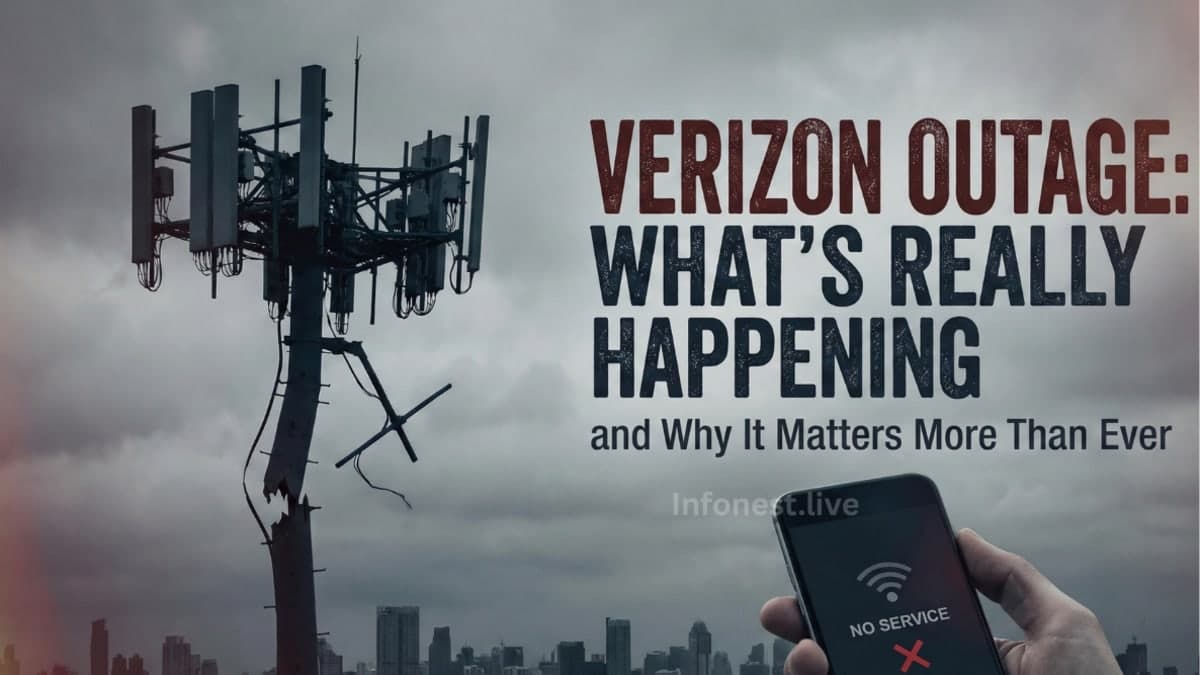
Verizon Outage: What’s Really Happening and Why It Matters More Than Ever

What makes these moments unsettling isn’t just the inconvenience. It’s the realization of how dependent everyday life has become on uninterrupted connectivity. We expect networks to work the way we expect electricity or running water to work. When they don’t, everything feels slightly off balance.
That reaction is understandable.
Why Verizon Outages Feel Bigger Than They Used To
Verizon isn’t just another carrier. It’s one of the main networks holding communication together across the US. Millions rely on it for work, navigation, payments, security verification, and staying in touch with family.
So when Verizon goes down, the impact spreads quickly.
Remote work pauses. Small businesses struggle to process payments. Navigation apps stop working mid-drive. In more serious cases, emergency communication becomes harder, which is where frustration turns into anxiety.
The scale is what makes these outages feel personal, even when they’re not.
What a Verizon Outage Looks Like in Real Life
Not all outages are complete shutdowns.
Sometimes calls work but data crawls. Sometimes texts arrive hours late. Sometimes everything stops and your phone switches to “SOS only,” meaning emergency calls might still go through, but nothing else does.
The worst part is the uncertainty. People don’t know if it’s their phone, their area, or a nationwide issue. That’s why the first instinct is usually checking Downdetector or social media just to confirm, “It’s not just me.”
Why These Outages Still Happen
Modern networks are complex systems with thousands of moving parts. Outages don’t usually have a single cause.
Heavy traffic can overwhelm towers during major events or emergencies. Physical damage from storms, construction accidents, or vandalism can knock out fiber lines. Software updates, even ones meant to improve reliability, sometimes introduce problems at scale.
Human error still exists too. These systems are built and maintained by people, and mistakes happen.
What’s interesting is the contrast this creates with other areas of technology.
While telecom infrastructure still struggles with physical limits and real-world constraints, other parts of tech are moving rapidly. For example, tools like Google Veo 3.1 now turn a single image into a consistent vertical video with almost no friction. It highlights a strange reality. Some technologies are accelerating fast, while the networks we depend on to access them still face old-school vulnerabilities.
How Outages Affect Daily Life
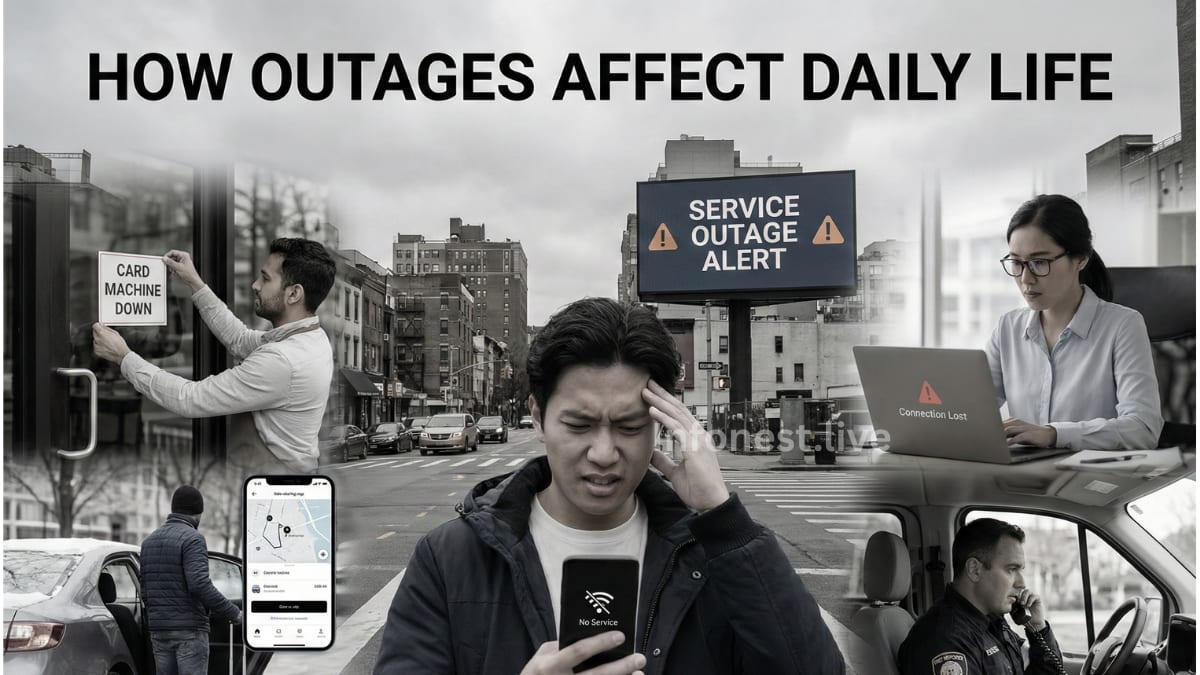
For businesses, the impact is heavier. Remote workers lose access. Point-of-sale systems fail. Customer support lines go quiet. Even a short outage can mean lost revenue and frustrated customers.
In emergency situations, outages become more than an inconvenience. While backup systems exist, widespread disruptions can delay communication when time matters most.
That’s why local authorities sometimes advise using landlines or alternative networks during major outages.
What You Can Do When Verizon Goes Down
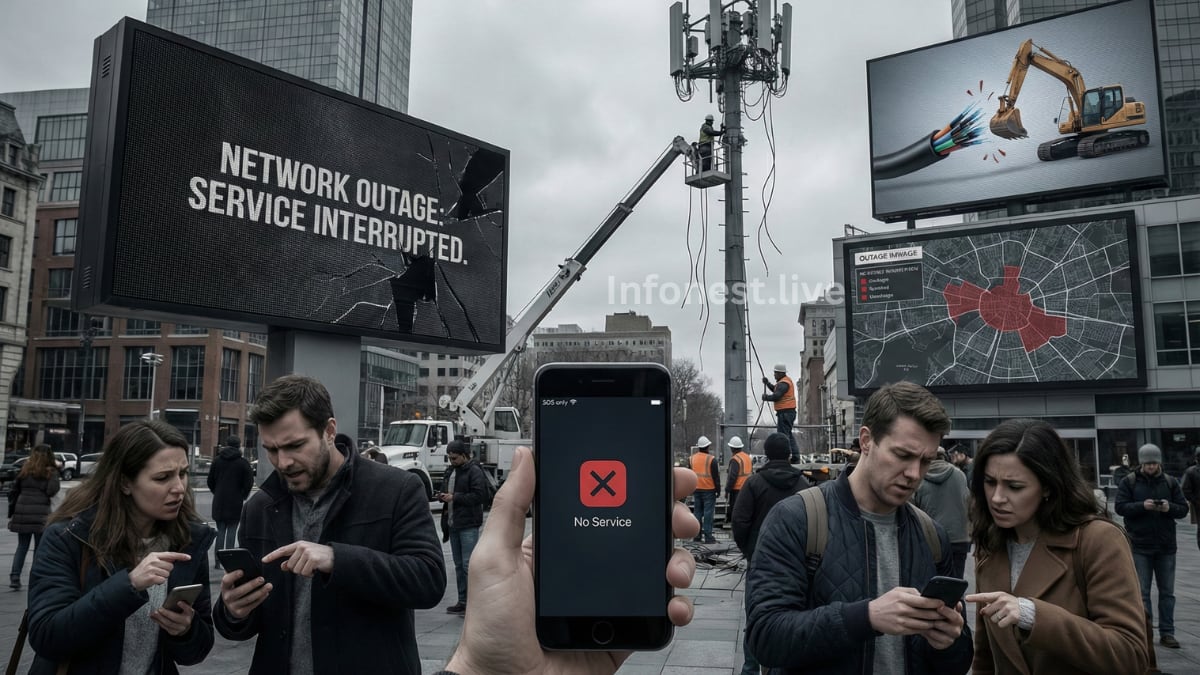
Check whether the outage is widespread using Verizon’s status page or Downdetector. Restart your phone once service begins returning, as this often helps reconnect faster.
If you have Wi-Fi, enable Wi-Fi calling. Many people forget it exists, but it can keep calls and texts working even when mobile service fails.
If possible, use another network. Dual-SIM phones, a family member’s device, or even a nearby business on a different carrier can help in urgent moments.
For emergencies, remember that 911 may still work even if regular service doesn’t. In some areas, texting emergency services is also supported.
Preparation matters too. Offline maps, written contact numbers, and a power bank reduce stress when connectivity disappears.
A Quiet Reminder About Planning
Outages are frustrating, but they also reveal something important. Timing and preparation matter more than impulse.
That mindset applies beyond connectivity. People who plan purchases around structured events like the OnePlus Freedom Sale often get better value than those who rush decisions.
Different situation, same principle.
Final Thoughts
Verizon outages aren’t rare, and they’re not always preventable. Large networks fail sometimes. That’s reality.
What makes the difference is understanding why it happens and knowing how to respond without panic.
Connectivity is part of modern life. When it disappears, even briefly, it feels personal. Being prepared doesn’t stop outages, but it does make them easier to handle.
And that, in moments like these, matters more than we realize.