How to Open a Bank Account and Manage Your Money Every Day
Why knowing the basics of banking is the first step to taking control of your money
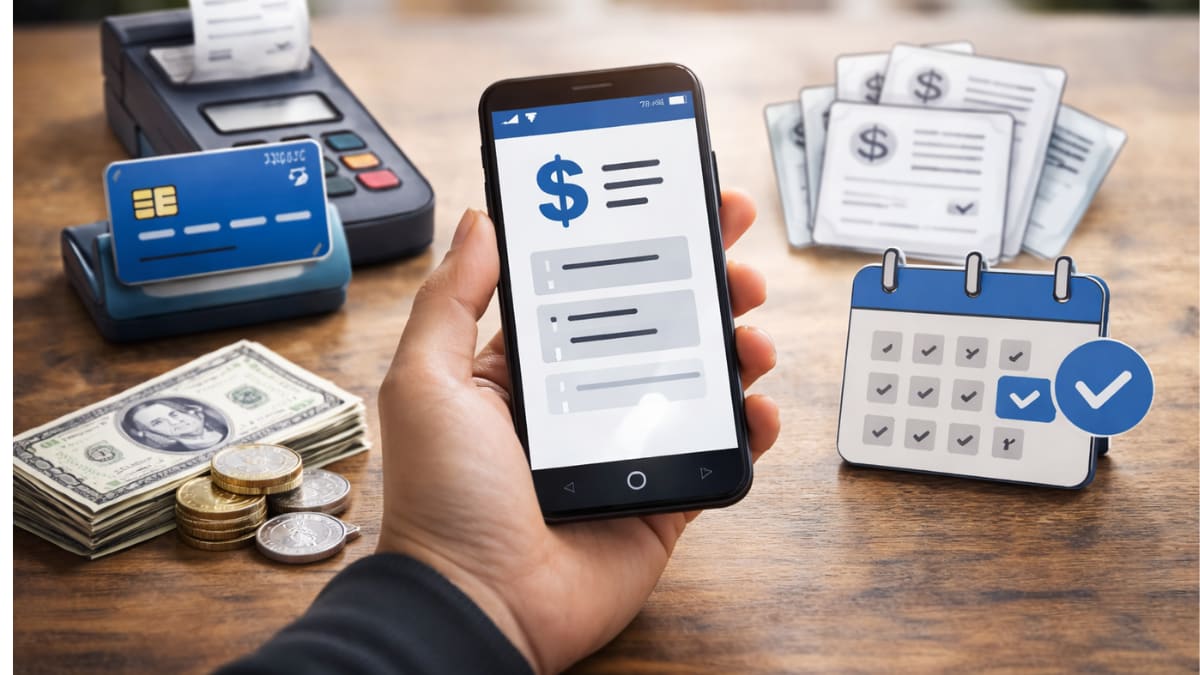
It's not about learning hard ways to handle your money or making a lot of it. It starts with basic systems that run in the background of your daily life. A bank account is one of the most crucial systems. You might find it challenging, dangerous, and frustrating to handle money if you don't have it. It can help you keep track of, safeguard, and increase even a tiny amount of money.
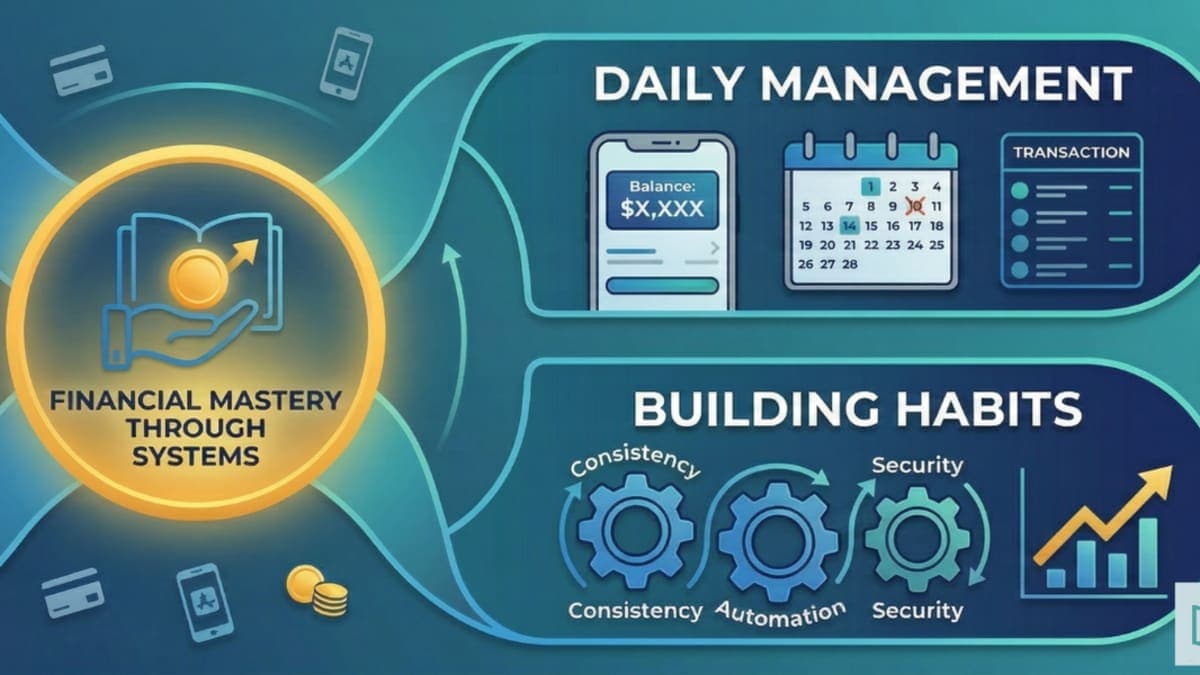
Your money has a structure when you have a bank account. You have a complete record of every transaction, so you don't have to worry about losing your money. You can pay your payments on time, save money automatically, and respond fast when something unexpected happens. Having a bank account can help you build excellent habits, which is even more crucial. Your behavior—not just how much money you produce—is what keeps your finances stable over time.
This post will teach you how to open a bank account and use it well every day. The aim is simple: make it transparent, useful, and easy to keep track of your money, whether you're starting your first account or striving to get better at it.
What a bank account is and why you need one
Your money can live, move, and grow safely in a bank account. Banks protect your money and give you options to get to it when you need it. Some of these tools are payment services, debit cards, online banking, and apps for smartphones.
At first, you might think you don't need a bank account, but it quickly becomes an issue. You can lose or steal money. There is no record of past purchases that reveals how much money you have spent. Paying your bills or receiving your salary can become more challenging or time-consuming, particularly when utilising digital payments or salary transfers.
Banks also keep you protected. If your card is stolen or used for fraud, most banks can revoke transactions that weren't approved. There is no safety net for cash. You need a bank account to live in today's digital economy.
Different types of bank accounts exist
You can utilise different bank accounts for different things. You won't mix them up and utilise them wrong if you know the basic types.
Checking Accounts for Daily Business
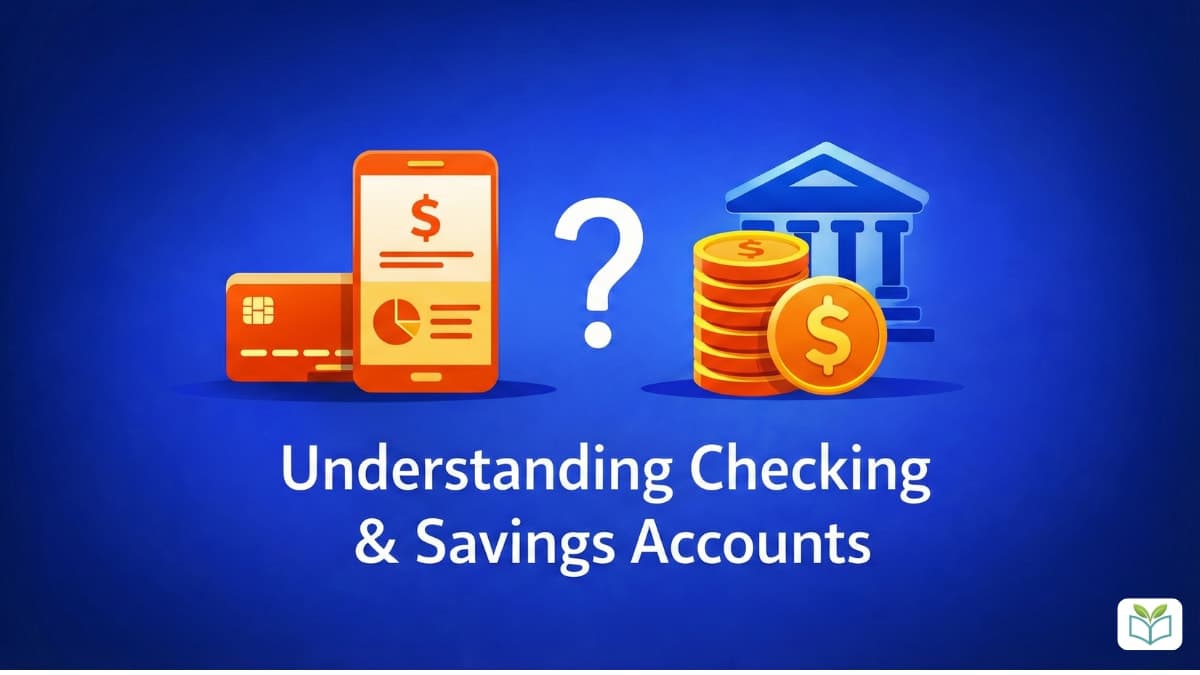
You should check your account every day. This is where you normally spend your money and where you spend it every day. You can quickly use your debit card to pay bills, acquire cash, and move money around. Checking accounts don't normally pay much or any interest because they are more concerned with making things simple than with growing.
Accounts for saving for goals and emergencies
Money stays in a savings account instead of going around. It accumulates interest and is designed to be used in the future for things like emergencies, travel, school, or large purchases. Most of the time, savings accounts have limits on how much money you can take out. This feature keeps you from buying items you don't need.
Digital and traditional banking options
You can go to a genuine branch of a regular bank and chat to someone in person. Digital banks are online and often feature better apps and reduced fees. Both are excellent options. If you like obtaining care in person, the greatest one for you is different than if you like using technology.
How to Use Your Savings and Checking Accounts at the Same Time
The ideal approach to using your checking and savings accounts is to have both at the same time. Your checking account takes care of your daily requirements, and your savings account builds up security in the background without you even knowing it. You don't keep all of your money in one location; instead, you give each dollar a job.
It's normal to put money into your checking account and then move part of it to savings right away. The "pay yourself first" method makes saving money a requirement rather than a choice. Over time, even tiny purchases add up.
This guide on how checking and savings accounts function goes into greater detail about how these two types of accounts work and how they work together:
👉 https://www.infonest.live/blog/how-checking-and-savings-accounts-work
Getting this relationship is a major thing for many folks. It changes banking from a location to store money to a way to actively manage it.
How to Pick the Best Bank for You
The best bank for you is one that fits your lifestyle and money management. First, check the prices. Fees for overdrafts, ATMs, and monthly maintenance can all pile up and quickly consume your cash. A bank that doesn't charge you much or at all keeps more of your money.
Accessibility is also crucial. Are ATMs easy to find? Is the app for phones and tablets safe? Is it possible to contact customer service right away? Everyday stress leads you to make lousy choices with your money.
Another thing is technology. Good banks let you know right immediately how much you've spent and make it easy to move money around. These tools make it practically effortless to keep track of your money every day.
Things you need to open a bank account
Most banks need basic ID to open an account. This normally includes a photo ID from the government and proof of where you live. Some banks may ask for your tax ID number or where your money comes from.
Believe you have options, even without all the required documentation. Many banks have basic or beginner accounts that don't need as much. There are many options for new consumers to sign up for online banks.
Being ready is the most crucial thing. Get what you can, ask questions, and pick a bank that works for you.
How to Open a Bank Account
You can open a bank account either in person or over the internet. You will meet with a representative in person, give them your papers, choose an account type, and sign papers. You need to fill out an application, upload documents, and prove that you are who you say you are online when you apply online.
Once your application receives approval, you will receive your debit card and account information. Once you've set up a PIN, you can use online banking. At that point, your account will be active and ready to use.
This moment is more essential than it looks. You merely set up the fundamentals for keeping track of your money in a planned and orderly method.
Using debit cards, internet banking, and text messages
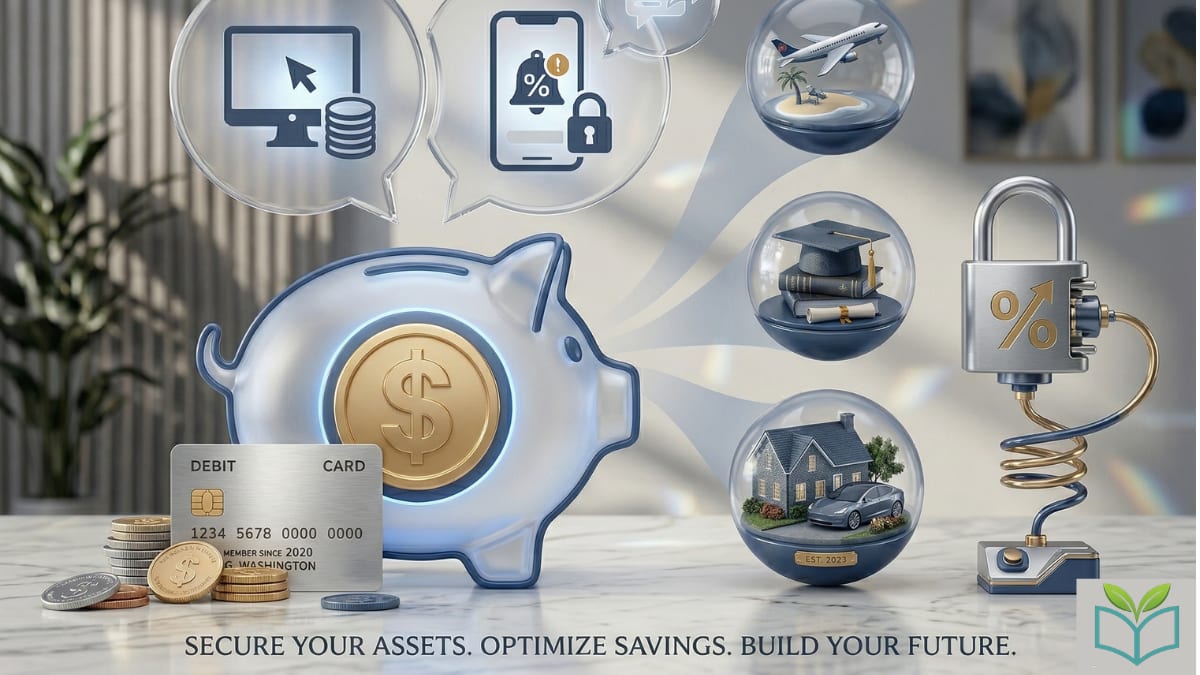
With a debit card, you can get your money immediately. You should check your balances often and not spend too much because they take money out of your account right away.
People learn new things every day from online banking apps. You can see transactions as they happen, shift money around, and get alerts. Notifications for low balances, big transactions, or bill payments help you stay on track.
Getting email alerts is also vital. Many banks send emails to confirm and warn you. You might not acquire vital information if the emails get lost or jumbled up. If you know how to use email filters correctly, you can stop it from happening. This guide on why Gmail filters don't always work and how to alter them is surprisingly helpful for keeping your money in order:
👉 https://www.infonest.live/blog/gmail-filters-not-working-causes-fixes-guide
Every Day Handling Money
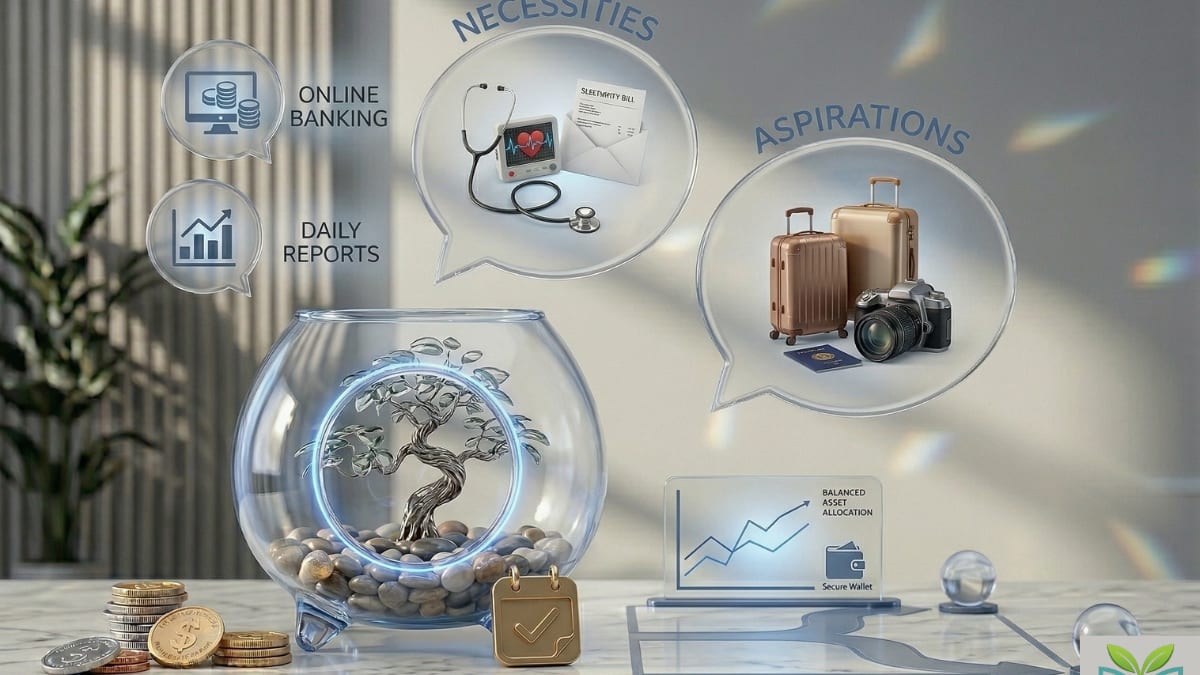
When you handle your money every day, it's not about holding yourself back; it's about being clear. When you check your balance every day, you become more conscious. You can make better choices if you are aware.
Start with the basics. Know how much money you have and how much you spend. Recognise the distinction between your needs and wants. You have to pay your rent and bills and buy food. Some things you want include going out to eat, signing up for activities, and buying goods on a whim. This one thing can affect how you spend.
You don't have to stick to a modest budget. Don't consider it to be a prison; think of it as a map. It shows you where your money is going so you can decide if that makes sense.
Paying bills, keeping track of subscriptions, and making things happen on their own
It's fantastic to have a bank account because it can accomplish things for you without you having to do anything. Your bank account can get your money right away, and your bills can be paid automatically. This makes things easier for you and stops you from having to pay late penalties.
Subscriptions need extra attention. Monthly costs that are small pile up fast. You can cancel stuff you don't use anymore if you check at them often.
The list includes confirmations by email, alerts from banks, and digital receipts. When you install them in the appropriate order, they build a system that runs in the background as you go about your day.
Saving Money Without Feeling Like You Can't
Saving money doesn't have to feel like you're missing out. There isn't a lot, but the most crucial aspects are consistency and automation. Every time you are paid, put a little bit of money aside. This will help you create momentum.
The basic goal is to have enough money saved up for an emergency. It keeps you from having to pay for something you didn't expect, such as repairs or medical expenditures. After that, saving is less stressful and provides you more control.
You don't have to be flawless when you save. What matters is being there a lot.
Digital technologies that help you manage your money
It's really crucial to use digital tools to handle money these days. Banking apps, budgeting software, and tools for organising emails all work together to make things clearer.
These days, changes in technology and content development can even transform how people earn and spend money. For instance, platforms like Google VEO are transforming the way people who manufacture things think about how to get things done and generate money online. This article on Google VEO 3.1 and vertical films from images is an entertaining look at how technology changes the way we work and make money:
👉 https://www.infonest.live/blog/google-veo-3-1-vertical-videos-from-images
Not all of your tools should be used. Pick a few that will really assist you in keeping track of your money.
How to Keep Your Money Safe from Mistakes and Scams
It's true that fraud is a genuine concern, but knowing about it makes you less likely to fall for it. Don't ever tell anyone your PIN or password. Do not click on links that look odd. When you use banking apps, make sure you're on a safe network.
Set up notifications for strange behaviour. Look at your statements often. Do something right away if something doesn't look right. The sooner you let the bank know about an issue, the better they can help.
It's not about being scared; it's about doing things that keep you safe.
Going beyond the basics
You feel more sure of yourself every day as you learn how to manage your money better. You start to think about how to invest, how to be free with your money, and what your long-term goals are. But none of that will work if you don't have a strong base.
You use that bank account on purpose every day. It changes money from something that causes stress into something that helps you grow and stay steady.
In short
Opening a bank account is simple, and it will have a huge impact on your life. When you combine it with things you do every day, like keeping track of your spending, automating your savings, and remaining organised, it provides you financial clarity and confidence. You don't have to be perfect. You just need mechanisms that will always be there for you.
It's not about having power when you manage your money; it's about having freedom. And that freedom begins with learning how to use your money wisely.
Things that people often ask
How much money do I need to put in the bank?
It doesn't take much money to create an account at many banks.
Is it safe to bank online every day?
Yes, but only if you use strong passwords and get notifications.
Do I need a checking account and a savings account?
Yes, employing both will help you stay organised and make smarter choices.
How often do I need to look at my bank account?
You may learn more without getting too busy by doing it every day or every few days.
What do people do every day that costs them the most?
People often overlook minor expenses that accumulate over time.